Robocall Help · California
Robocall Lawyer in California
California reinforces the federal robocall rules with its own restrictions on automatic dialing-announcing devices (ADADs), the machines that blast prerecorded sales messages. If your phone keeps ringing with robocalls, you may be owed money. If illegal calls or texts are hitting your phone in California, you may be owed $500 to $1,500 per call.
Free · No obligation · About 2 minutes · No fee unless you recover

California robocall law at a glance
The federal TCPA protects everyone in California. Here’s how it works with the state’s own rules.
Two laws protect California residents
A federal law covers everyone — and California’s own rules can add to it.
The TCPA
The Telephone Consumer Protection Act — the nationwide law behind every claim.
- Protects everyone in California, no matter the state rules.
- Bars autodialed or prerecorded calls and texts to your cell without consent.
- $500–$1,500 per call, stacking with every violation.
- You can sue personally — you don’t wait on the government.
Automatic Dialing-Announcing Device rules (California Public Utilities Code §§ 2871 to 2876)
How California adds to your protection.
- Calling hours: Federal: 8 a.m. to 9 p.m..
- Do Not Call: Uses the national registry.
- Applies on top of the federal TCPA — sometimes with extra penalties.
How the law works in California
The federal Telephone Consumer Protection Act (TCPA) protects everyone in California. In plain English, the TCPA is the national law that makes it illegal for companies to robocall, robotext, or auto-dial your cell phone, or to call any number on the Do Not Call list, without your written permission. When a company breaks that rule, the law lets you collect $500 per illegal call or text, and up to $1,500 per call if the violation was willful. Those amounts stack: every separate call or text is its own violation, so a few weeks of robocalls can add up fast.
California adds its own layer through the Automatic Dialing-Announcing Device rules in the California Public Utilities Code (§§ 2871 to 2876). An ADAD is the equipment companies use to dial numbers automatically and play a prerecorded message. Under California law, before that recording can play, a live person must come on the line, explain the nature of the call, identify the business, and ask whether you agree to hear the message. California does not run its own separate state Do Not Call list. Numbers you place on the national Do Not Call Registry are honored here, and for telemarketing hours the federal 8 a.m. to 9 p.m. window applies.
Max Morgan, Esq. helps California residents hold robocallers accountable. Max is licensed in Pennsylvania, but because the TCPA is a federal law, he represents consumers across the country and associates local California counsel wherever a case requires it. He offers a free review of your call records, and you pay no fee unless you recover.
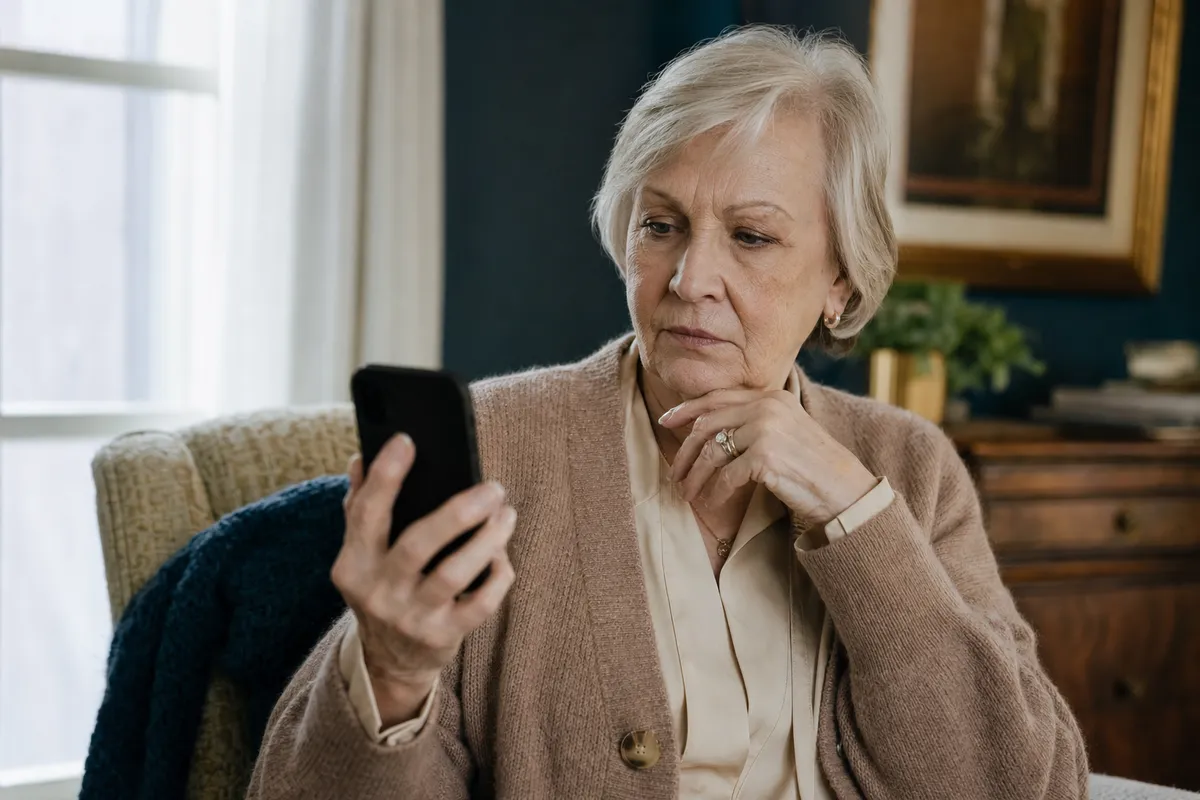
Getting illegal calls in California? Do this.
- Don’t delete the calls.Your call log, voicemails, and text screenshots are exactly the evidence these cases run on.
- Write down the details.The number calling, the company if you can tell, what the message says, and roughly how often.
- Say “stop” if it’s safe.Calls that keep coming after you ask them to stop can be worth more — up to $1,500 each.
- Get a free review.Tell us what’s happening and we’ll tell you, free, whether you have a case and what it may be worth.
Why California residents reach out
If any of these sounds like your phone, it’s worth a free look.
What we help California residents with
Each of these is a real, recoverable claim under the TCPA.
Wrong-number robocalls
Prerecorded or auto-dialed calls meant for someone else. You can have a claim even though you’re not a customer.
Learn more Highest valueWrong-number debt collection
Auto-dialed collection calls for a debt that was never yours. Illegal twice over — and it pays.
Learn more Highest value“Stop calling me”
You told them to stop and the calls kept coming. Each one can be a separate violation.
Learn moreSpam text messages
Marketing texts you never agreed to count under the TCPA too. Screenshots are often all the proof you need.
Learn moreDo-Not-Call violations
Registered your number and the calls didn’t stop? Continued telemarketing may entitle you to damages.
Learn morePrerecorded cell calls
Robotic or artificial-voice calls to your cell without consent are a clear TCPA violation.
Learn moreHow it works
Three steps. No cost to find out. No obligation to go further.
Tell us what happened
Answer a few plain-English questions about the calls or texts. It takes about two minutes.
Max reviews it free
Max Morgan’s team looks at your answers and tells you, honestly, whether you have a claim worth pursuing.
If you qualify, he fights for it
You pay nothing up front and nothing unless you recover. Max handles the case.
Real cases Max has helped win
The TCPA is federal, so these results apply to California residents too.
Wrong-number prerecorded debt-collection calls.
Lucas v. Synchrony Bank (N.D. Ind.)
Telemarketing to Do-Not-Call list & after opt-out.
Campbell v. Everything Breaks (D. Nev.)
385 wrong-number calls at $1,500 each.
Higgs v. Golden Title Loans (W.D. Tenn.)
Prerecorded calls to cell phones without consent.
Key v. Miracle Faith Center (N.D. Fla.)
Prior results do not guarantee a similar outcome. Every case is different.
California robocall FAQs
Can I sue for robocalls in California?
Yes. The federal TCPA lets California residents sue for $500 to $1,500 per illegal robocall, robotext, or auto-dialed call to a cell phone, and per call to any number on the Do Not Call Registry. California’s ADAD rules add further protections. Save your call logs and any voicemails. They are your evidence.
Does California have its own robocall law?
Yes. California’s Automatic Dialing-Announcing Device rules (Public Utilities Code §§ 2871 to 2876) regulate the machines that play prerecorded sales messages. Before a recording can play, a live person must explain the call, identify the business, and ask if you consent to hear the message. You can also bring your own claim under the federal TCPA.
What are California’s calling hours?
California does not set its own statewide telemarketing hours, so the federal window applies: companies may generally only place sales calls between 8 a.m. and 9 p.m. in your local time. A sales call before 8 a.m. or after 9 p.m. may break the federal TCPA, which can mean money in your pocket.
Do I need a California lawyer for a robocall case?
Not specifically. The TCPA is a federal law, so you do not need an attorney based in California. Max Morgan represents California residents and brings in local counsel wherever a case requires it. Your review is free, and there is no fee unless you recover.
Explore: Wrong-number robocalls · How to sue a telemarketer · All 50 states · Settlements

Find out in about two minutes
See if your calls are worth money.
Answer a few questions and Max Morgan, Esq. will tell you, free, whether you have a case. No cost, no obligation, no fee unless you recover.