Types of Cases
Spam Text Message Lawsuit: You May Be Owed $500 to $1,500 Per Text
Under federal law, a text message is treated the same as a phone call. So when a company blasts marketing texts to your cell without your permission, each one can be worth $500 to $1,500. If they keep texting after you reply STOP, those amounts add up fast.
Free · No obligation · About 2 minutes · No fee unless you recover
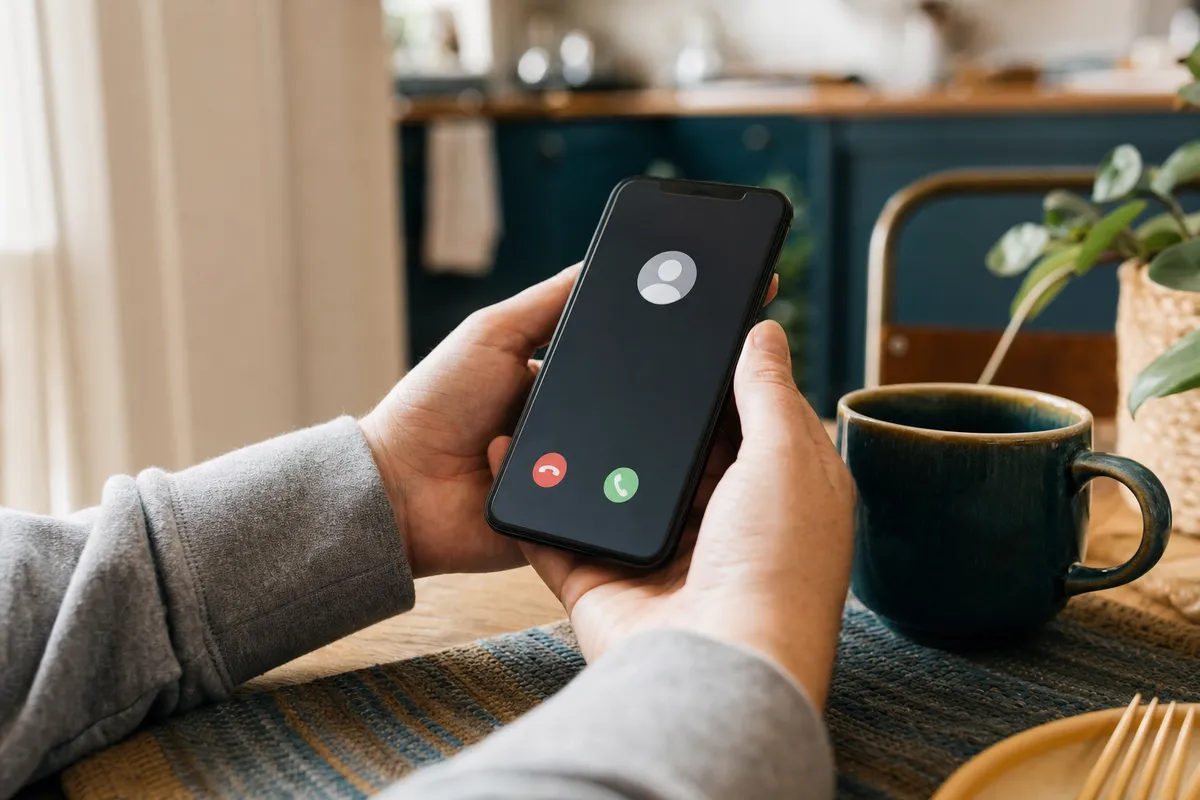
Most people assume the robocall law only covers calls. It doesn’t. The same federal statute that punishes illegal robocalls covers text messages too, word for word. So when your phone keeps buzzing with marketing texts you never asked for, that’s more than annoying. It may be illegal, and you may be the one entitled to compensation.
Texts count the same as calls under the TCPA
The TCPA (Telephone Consumer Protection Act, the federal law that controls automated calls and texts to your cell phone) treats a text message as a “call.” That means an unwanted marketing text sent to your phone without your permission can break the law in exactly the same way an illegal robocall does.
This is one of the fastest-growing areas of consumer law, because companies send so many of these texts. They’re cheap, they’re automated, and a lot of businesses send them without bothering to get the consent the law requires.
Marketing texts without your permission can be illegal
The rule is simple: a business generally can’t send you promotional texts unless you agreed, in advance and in writing, to get them. If you never gave that permission, or you gave it and then took it back, the texts can violate the TCPA.
These are the kinds of spam texts that show up in these cases:
- Retailer and brand blasts you never signed up for. Sale alerts, “flash deal” coupons, and promo codes from a store you never gave your number to.
- Texts that keep coming after you replied STOP. Once you opt out, the texts are supposed to stop. When they don’t, every new message can be a separate violation.
- Political, loan, crypto, and “you’ve been pre-approved” spam. Mass-texted pitches for payday loans, crypto schemes, debt relief, and similar offers.
- Wrong-number marketing texts. Promotions meant for someone else, often a previous owner of your recycled number. You never agreed to anything, so there’s no consent at all.
Think this might be you?
Find out free if you have a case. It takes about two minutes and costs nothing.
See if you qualifyWhat a spam-text case can be worth
The TCPA sets the value of each illegal text by law, so you don’t have to prove you lost money:
- $500 per text as a baseline.
- Up to $1,500 per text when the violation was “willful or knowing,” for example, texts that keep coming after you clearly replied STOP.
These amounts stack. Each text can count as its own violation, so a campaign that hits you several times a week can add up quickly. A handful of texts can be worth a few thousand dollars; a long-running blast can be worth far more.
These claims are real. Our firm has recovered six- and seven-figure results in TCPA cases. You can read the actual case citations and amounts on our what robocall cases have actually paid page. Those particular results come from illegal calls, but the same law and the same $500 to $1,500 statutory damages apply to illegal texts.
Prior results do not guarantee a similar outcome. Every case is different.
How to preserve evidence (this is the whole case)
Spam-text cases live and die on screenshots. The proof is already sitting in your phone. You only have to keep it.
- Screenshot every text. Each screenshot should clearly show the sender’s number (or short code), the message itself, and the date and time. On most phones, opening the thread and capturing the timestamp does this.
- Don’t delete the thread. Keep the whole conversation in your messages app, including any reply you sent. Deleting it throws away your evidence.
- Reply STOP, then screenshot what happens next. If you tell them to stop and the texts keep coming, capture those too. That’s the evidence that can push a case from $500 toward $1,500 per text.
- Note who it’s from. If the text names a company, product, or link, jot it down. It helps us trace who sent it.
You don’t need everything perfectly organized before you reach out. Keep what you have, stop deleting, and let us tell you what matters.
How Max helps, and what it costs you
Max Morgan, Esq. is a Pennsylvania-licensed attorney who handles TCPA cases for consumers nationwide. He reviews your texts for free, tells you honestly whether it’s worth pursuing, and if you have a case, takes it on contingency. His fee comes out of the recovery, not your pocket. No recovery, no fee.
You don’t have to be sure your texts qualify. That’s what the free review is for: show us what you’re getting and we’ll figure it out with you.
Related: Calls after you said stop · Do-not-call violations · What is a robocall? · robocall settlement examples

Spam text message FAQs
Can I really sue over text messages?
Yes. The TCPA treats a text the same as a phone call, so unwanted marketing texts sent to your cell without your written permission can break the same law that covers illegal robocalls, with the same $500 to $1,500 per message.
I replied STOP and they kept texting. Is that worth more?
Often, yes. Once you opt out, the texts are supposed to stop. Messages that keep coming after a clear STOP can be treated as “willful,” which raises the value from $500 toward $1,500 per text and strengthens the whole case. Screenshot every text that arrives after you replied STOP.
What proof do I need?
Screenshots. Capture each text showing the sender’s number, the message, and the date and time, and don’t delete the thread. You don’t need to have it all lined up before you reach out. Keep what you have and we’ll tell you what matters.
What if the texts are for someone else or a wrong number?
That can be an even cleaner case. If marketing texts meant for a stranger, often a previous owner of your recycled number, land on your phone, you never gave anyone permission, so there’s no consent argument against you.
Does it cost anything?
No. The review is free, and Max works on contingency, so his fee comes out of any recovery, not your pocket. There’s no fee unless you recover.
Explore more about spam texts
Everything else worth knowing, or skip ahead and see if you have a case.
Guides & deep-dives
How to stop spam texts Marketing texts without consent Robotext lawsuit: suing over automated spam texts Spam text evidence and screenshots Text message TCPA violationsQuick answers
Are unsolicited marketing texts illegal? Can I sue for a wrong-number text? Can I sue for spam texts? Can I sue if I once gave my number? Can I sue over a single spam text? Do I need to keep the spam texts? How do I report spam texts? How much can I get for spam texts? I replied STOP and they kept texting What makes a marketing text illegal?Free case review
See if your calls are worth money.
Tell us who is calling and how often. Max Morgan, Esq. reviews every submission. If you cannot name the company yet, the form shows you how to find out.
- No fee unless you recover
- Nationwide under the federal TCPA
- About a minute, three short steps